What to know about Trane chillers
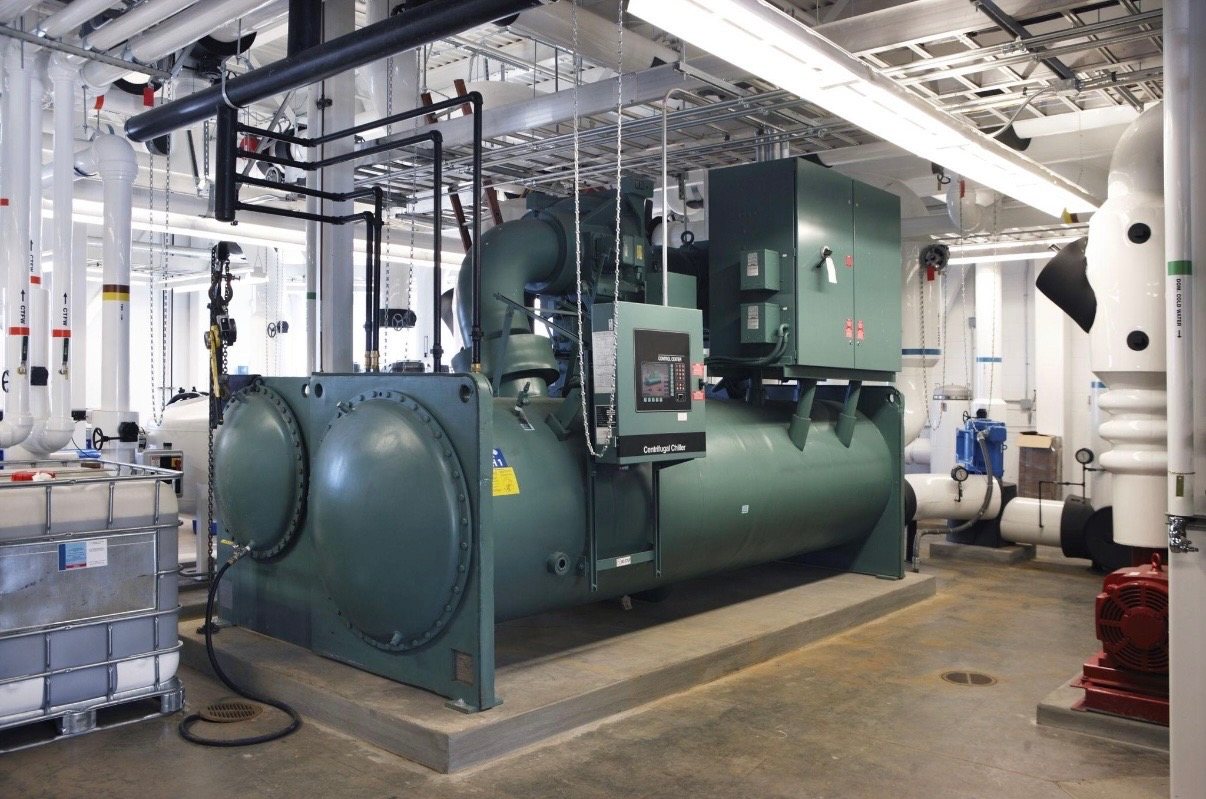
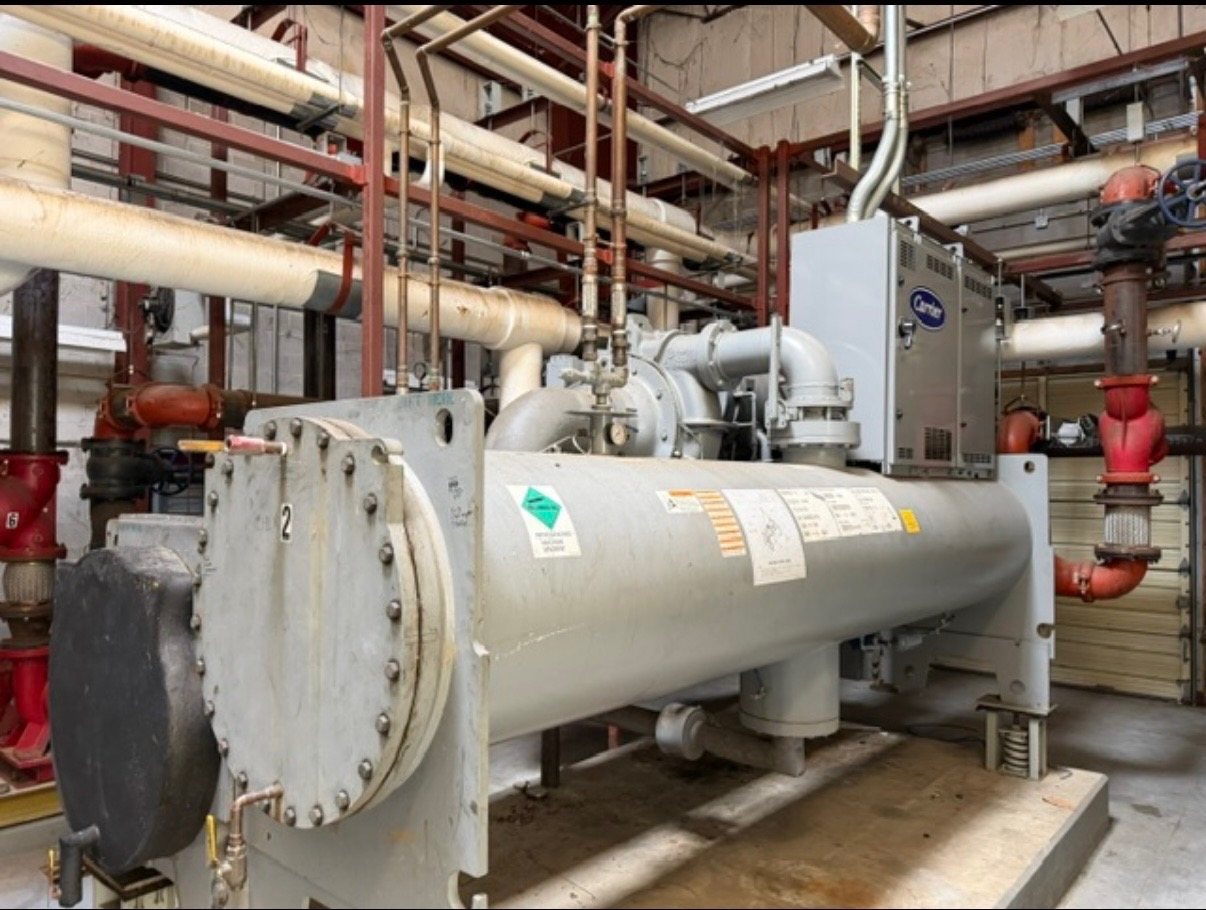
A Trane badge identifies the manufacturer but does not tell a buyer which compressor, starter or cooling arrangement is installed. Model-specific information and a wide photograph of the whole assembly help distinguish the actual chiller from surrounding central-plant equipment.
A chiller labeled Trane in Columbus may be surplus after a plant upgrade, building closure or cooling-system replacement. Identify the exact machine rather than the entire plant, and specify whether the starter or drive is part of the proposed purchase.
Plan the pickup at your Columbus site
Columbus is in Franklin County. A Columbus pickup may involve an occupied commercial building, a secured data site, or a plant outside the central business area. Give the pickup address and loading entrance rather than just the city. If the machine shares a mechanical room with active equipment, mark the boundary of the unit to be removed and tell us which access doors can be opened.
Tell us about known site restrictions before scheduling. A site contact can explain what is accessible, but the removal team must evaluate the actual route, load and work area.
Work with an incomplete equipment record
Capture the unit nameplate, controller and any separate starter or drive cabinet. Note the rated capacity and power supply shown on the relevant labels.
If the tag is difficult to read or the machine is no longer powered, a wide photo and an existing asset list can still start the conversation. Do not climb, remove electrical covers or enter an unsafe area to obtain a picture. Send whatever model, serial, capacity, voltage and refrigerant information is safely available, and clearly mark unknown fields so they are not mistaken for confirmed facts.
Condition is information, not a testing requirement
If the display is blank, the controls were disconnected or service records are missing, say so. We do not require a working controller or a test run to discuss a purchase.
If components were removed for another project, identify which ones are missing and photograph the remaining assembly. A machine with an incomplete control cabinet is different from a complete machine with an inoperable display, and both can be discussed without a test.
We consider used, surplus and non-running chillers, including equipment of unknown operating condition. There is no need to restore power, repair a fault or perform a performance test to ask for a cash offer. Accurate disclosure and a possible site access review are different from requiring the machine to operate.
Separate the chiller from live plant systems
The buyer coordinates and pays for the agreed disconnects and refrigerant recovery. Before the chiller is released, the facility representative should identify which water circuits, electrical feeds and controls serve other equipment. Qualified personnel plan isolation and recovery for the actual system. A machine that is not running can still contain refrigerant, fluid or stored electrical energy; do not cut, drain or vent it to obtain an offer.
Measure the path from room to truck
Identify where the machine is anchored and whether the proposed exit is at the same floor level; show any equipment that must remain in place.
The buyer covers agreed rigging, crane work if needed, loading, freight and hauling. Give the width and height of the narrowest opening, the distance to the loading point and any turns or changes of level. The chiller may have been installed before walls, cables or other equipment were added. A rigging crew verifies actual weight, lifting points and floor capacity; the owner should not try to move the machine for a quote.
Understand what an offer covers
The offer considers the identifiable equipment and the work needed for the agreed removal. We make a cash offer and, when it is accepted, pay upfront before pickup. Confirm the amount, payment method, included components and buyer-paid removal scope in the transaction documents. Do not assume a separate pump, control cabinet or other nearby asset transfers unless it is specifically listed.
Where records conflict, share both the installed equipment label and the inventory sheet. The buyer can resolve questions during review rather than assuming that a single old schedule describes the present machine.
What to send for a useful first conversation
For a central plant, mark the chiller being offered in a wide photograph and identify the starter or drive if it is elsewhere. Provide the model, serial, tonnage and refrigerant if known. Describe connected systems that remain in service, the likely exit and the facility contact who can review isolation and access.
For a chiller labeled Trane in Columbus, include the location and a contact who can confirm the asset and arrange site access. If a detail is unavailable, say so instead of taking an unsafe photograph or guessing at the specifications.
Does cooling tonnage equal equipment weight?
No. Cooling tons measure capacity, not the weight of the assembly. We consider all tonnages, including 20 to 2,000+ tons. A removal crew needs the actual dimensions and verified weight, not an estimate based on the capacity label.